
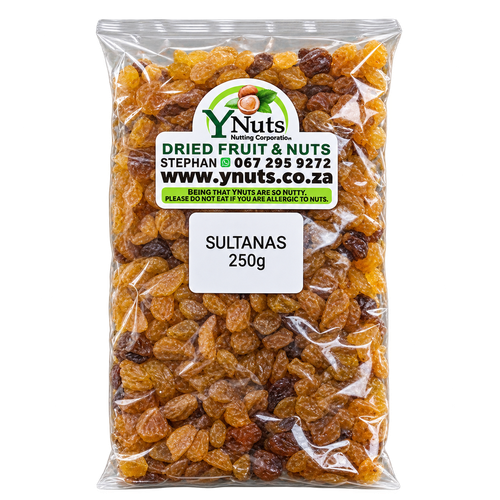
Sultanas 250g
R25,00
Dried Sultanas are naturally sweet, soft and chewy dried grapes with a delicate fruity flavour. The drying process removes much of the grape’s water, concentrating its natural sugars and giving sultanas their characteristic sweet flavour and satisfying texture.
They are wonderfully versatile and can be enjoyed on their own or added to breakfast cereals, oats, granola, yoghurt and trail mixes. They are also a classic ingredient in fruit cakes, biscuits, muffins, breads, rice dishes and savoury recipes, where their natural sweetness adds a delicious contrast.
Nutrition Highlights
- Dietary Fibre: Sultanas contain dietary fibre, which contributes to normal bowel function. The exact amount depends on the serving size and product.
- Carbohydrates & Natural Sugars: Sultanas are predominantly a carbohydrate-containing food, with much of the carbohydrate coming from naturally occurring grape sugars. Drying concentrates these sugars because water is removed.
- Potassium: Sultanas provide potassium, which contributes to normal muscle function and normal functioning of the nervous system.
- Iron: They contain iron, which contributes to normal formation of red blood cells and haemoglobin and normal oxygen transport.
- Copper: Sultanas contain copper, which contributes to normal energy metabolism, normal iron transport and protection of cells from oxidative stress.
- Manganese: They contain manganese, which contributes to normal energy metabolism and protection of cells from oxidative stress.
- Plant Compounds: Grapes naturally contain polyphenolic plant compounds. The amount remaining in dried sultanas varies according to grape variety and processing.
- Very Low in Fat: Plain sultanas contain little fat compared with their carbohydrate content. Any added oils can change the finished product’s fat content.
Sweet, soft and naturally fruity, Dried Sultanas are a convenient way to enjoy the concentrated flavour of grapes in a versatile pantry ingredient. They are ideal for snacking, baking, breakfast bowls, trail mixes and traditional sweet and savoury recipes.
Ingredient information: The exact nutritional composition depends on the grape variety and processing method. Some commercial sultanas may contain vegetable oil or sulphites as processing ingredients or preservatives. Always use the product packaging for exact nutrition values, serving size and allergen information.
| Weight (Grams) | 50g, 100g, 250g, 500g, 750g, 1Kg |
|---|

More Products From This Vendor
More Products-
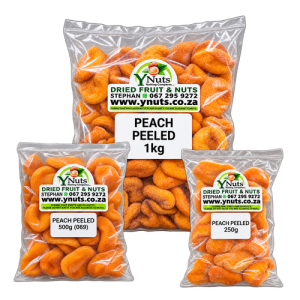
Peach Peeled
Price range: R90,00 through R260,00Sold By YNutsSelect options This product has multiple variants. The options may be chosen on the product page -
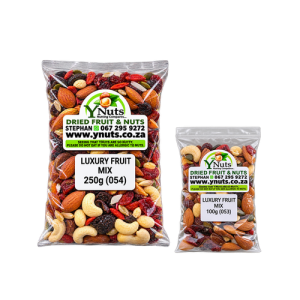
Luxury Fruit Mix Natural
Price range: R30,00 through R70,00Sold By YNutsSelect options This product has multiple variants. The options may be chosen on the product page -
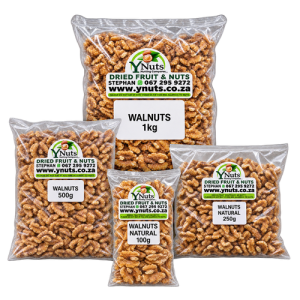
Walnuts Natural
Price range: R40,00 through R290,00Sold By YNutsSelect options This product has multiple variants. The options may be chosen on the product page -
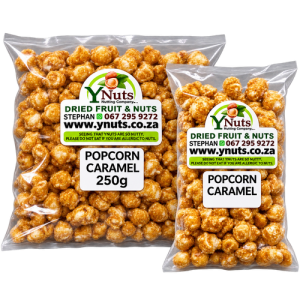
Caramel Popcorn
Price range: R25,00 through R40,00Sold By YNutsSelect options This product has multiple variants. The options may be chosen on the product page -
-
0.0 Average Rating Rated (0 Reviews)